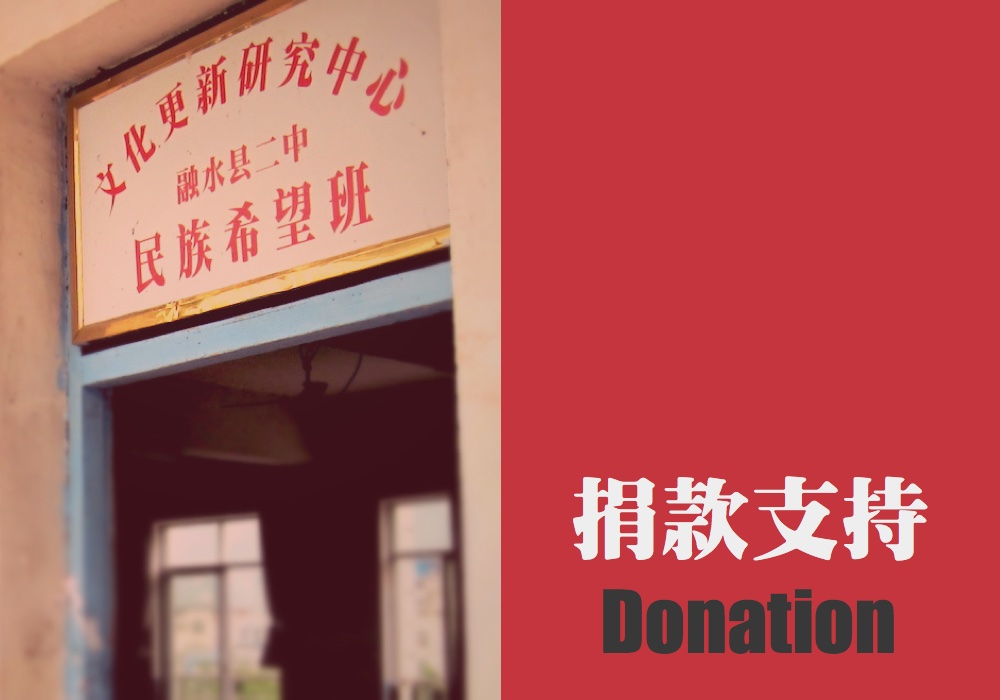
More Than Two Decades of Educational Work
CRRS launched the China Education Project in 2003. That same year, the Toronto Chapter began supporting education in rural China through its “Nurturing Young Lives in China” fundraising initiative and other forms of participation.
Over the past two decades, CRRS has responded to the educational needs of different communities and different periods through student sponsorship, educational facilities, learning resources, youth exchange programs and other initiatives.
Some of these initiatives have completed their role, while others have evolved as educational needs and circumstances have changed. We preserve their stories here as a record of the educational journey shared by CRRS Toronto and its supporters over the years.
Primary and Secondary Student Sponsorship
In the early years of the China Education Project, one of the Toronto Chapter’s major areas of work was supporting primary and secondary students from rural, low-income families in Guangxi.
At the time, educational and living expenses placed a significant burden on some rural families with limited financial resources. Through its student sponsorship program, CRRS provided educational assistance to students in need, giving them greater opportunity to continue their studies.
As fundraising and supporter participation grew, the sponsorship program gradually expanded to different areas of Guangxi. Board members and volunteers from Toronto also travelled to visit students and their families, gaining a better understanding of their lives and educational circumstances.
This early student sponsorship work became an important foundation for the later development of the China Education Project.
Since 2003, the China Education Project has provided more than 20,000 instances of student sponsorship.
The Early Development of Vocational Education Support
As the China Education Project developed, CRRS also began to consider the educational and vocational needs of rural students after completing their basic education.
In 2008, Dr. Ernest Cheng and Peter Leung of CRRS Toronto wrote about the educational and employment environment facing rural students in China at the time, exploring vocational education as another path for young people to continue learning and development.
This was an important stage in CRRS’s exploration of vocational education support and helped lay the foundation for related educational work in the years that followed.
Since the students in poverty-stricken rural Guangxi area need both academic knowledge and technical/job-related skills, targeted funding has been spent to provide technical resources for a designated county high school – Rongshui Second High School.
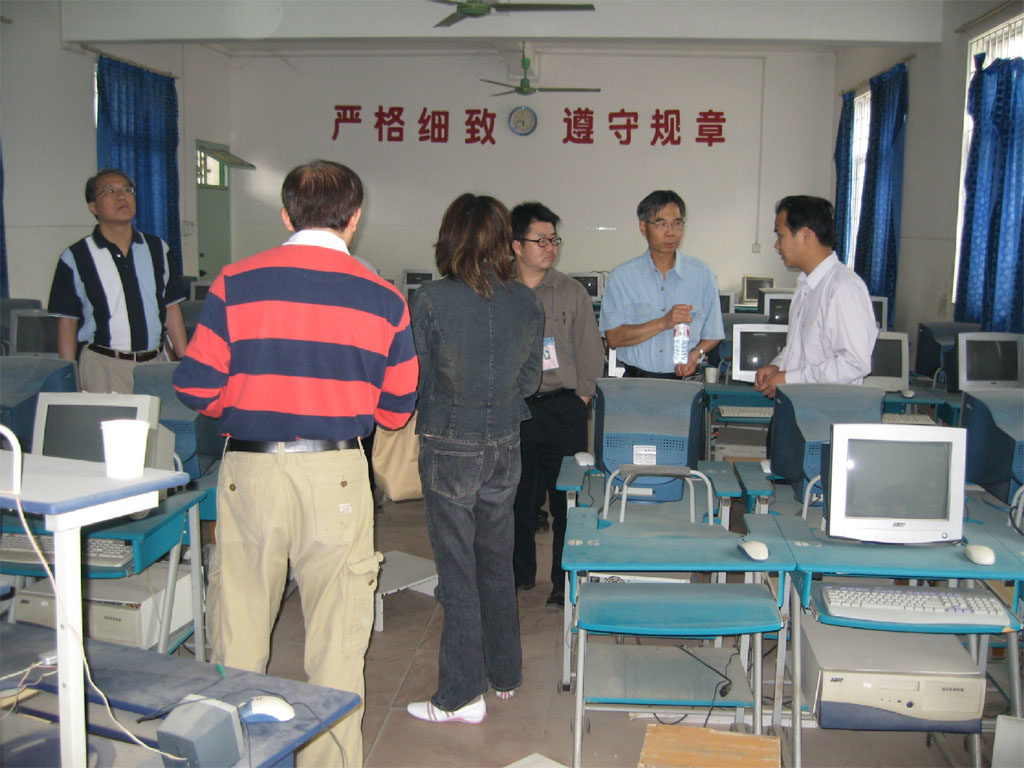
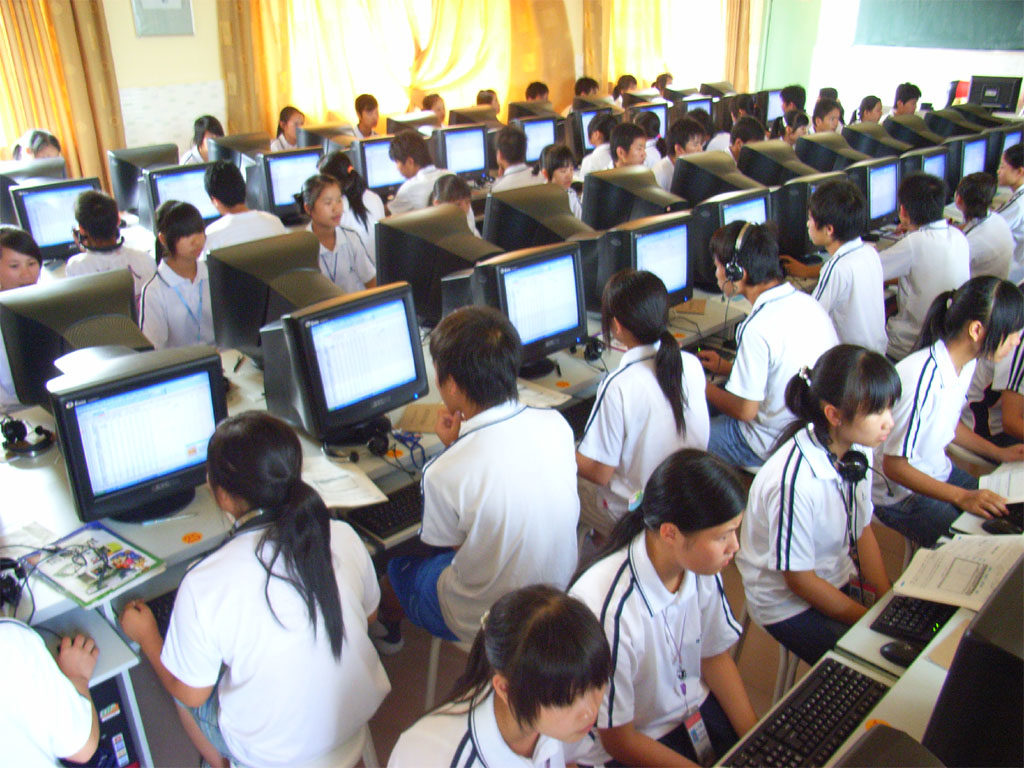
Phase 1 of the development started in 2007 to build a resource centre which included the installation of sixty computer units. For Phase 2, an additional 30 computer units were installed in 2008. In addition, a Language Laboratory (which is one of a kind in Guangxi) was set up in the school. These new facilities greatly improve students’ computer knowledge and language learning skill. The Language Laboratory also serves as an up-to-date language training centre for teachers. Phase 3 involved a modernized library to provide reading / reference materials for both students and teachers. This project has become a model for future education structure plans of the County and other regions.
Multimedia Resource and Learning Centre Project
Rongshui County No. 2 Secondary School, Guangxi — Development of a Multimedia Resource and Learning Centre
CRRS helped introduce modern technology and learning resources to secondary students in Guangxi, expanding the ways in which students could learn.
The first phase began in 2007 with the establishment of a Multimedia Resource and Learning Centre at Rongshui County No. 2 Secondary School in Guangxi, equipped with 60 computers.
In 2008, the second phase added another 30 computers as well as a language laboratory for speaking and listening practice, expanding the teaching and learning resources available to both teachers and students.
In 2010, a modern library was added to provide reading and reference resources. These facilities were also made available to other secondary schools in the county that needed access to them, allowing the educational resources to benefit more students. The project subsequently completed its planned stages of development.
Other Educational Initiatives
In addition to student sponsorship and the development of learning resources, CRRS participated in other educational initiatives in response to local needs at different stages of the China Education Project.
Improvements to Schools and Student Accommodation
In some remote rural communities, the physical learning environment was also an important educational need.
CRRS participated in the renovation and improvement of aging school buildings and student dormitories, helping to provide students with safer and more stable environments in which to study and live.
Support for Rural Teachers
Education depends not only on students, but also on teachers.
At different stages of the China Education Project, CRRS also provided support for rural teachers in response to practical local educational needs.
Project Shine
CRRS launched Project Shine in 2008, bringing Canadian teenagers and young adults to rural communities in China to participate in English summer camps and cross-cultural exchange.
The program was held in Rongshui, Luocheng, Longzhou and Gongcheng in Guangxi, as well as Wenshan in Yunnan.
For local students, it provided an opportunity to engage with English and people from different cultural backgrounds. For Canadian participants, it offered a first-hand opportunity to learn about rural life, education and cultural differences.
From the Past to Today
Over more than two decades, the form of the China Education Project has continued to evolve in response to changing educational circumstances and student needs.
From early sponsorship for primary and secondary students to university students, vocational education, learning facilities and youth exchange, each stage of the project responded to the educational needs CRRS encountered at the time.
Today, the focus of CRRS’s educational sponsorship has changed.
To learn about our current educational work: